Child Abuse Awareness: Impact and Prevention
When it comes to child abuse, awareness is power and prevention. Knowing what to look for and what to do helps parents, educators, and communities protect children and respond to suspected child abuse. By recognizing the signs of child abuse, understanding its impact, and practicing prevention, we can create safer environments where every child can thrive.
Mercy Home for Boys & Girls is dedicated to raising awareness about the challenges faced by abused or neglected children and offering solutions for families in crisis. Each year, countless volunteers and donors join us in generating awareness and essential funds that provide our children with a secure, nurturing home, clothing, meals, and recovery from trauma. While we emphasize that child abuse awareness should be a year-round effort, we take special pride in collaborating with others, especially as the month of April is National Child Abuse Prevention Month. We aim to inspire individuals to learn more about this crucial issue and to become champions for children.
You can help.
Join Us in Spreading Child Abuse Awareness
Sign our advocacy form and pledge to help stop child abuse and spread awareness. By fostering a supportive environment and being an advocate for those at risk of abuse, we can work towards creating safer communities for all children.
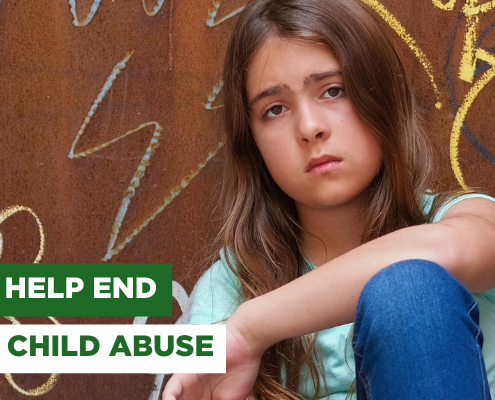
At Mercy Home for Boys & Girls, we are committed to:
- Offering a safe environment for children
- Providing children with therapeutic services to address the trauma of abuse
- Giving families the support they need to heal and end cycles of abuse
- Educating colleagues about the impact of abuse on children
- Helping the public learn to spot the signs of child abuse
- Engaging professionals and concerned individuals in child abuse prevention
Recognizing the Signs of Child Abuse
Knowing the signs is a critical first step. Abuse can be physical, emotional, or sexual, or it can consist of child neglect. While no single sign confirms abuse, certain patterns or indicators warrant immediate attention. If you suspect a child is in danger, contact local child protective services or law enforcement right away. Child abuse awareness starts with recognizing the signs and engaging in prevention steps as soon as possible.
Physical indicators of abuse
- Unexplained injuries or repeated harm
- Bruises, burns, or fractures that do not match the child’s explanation
- Injuries in various stages of healing
- Marks resembling objects (such as belts or cords)
- Frequent emergency room visits
- Poor hygiene or untreated medical issues indicating possible neglect
Emotional and behavioral signs
- Extreme withdrawal or aggression
- Sudden anxiety, depression, or fearfulness around specific people
- Regression (bedwetting, thumb-sucking) without medical cause
- Nightmares, sleep disturbances, or changes in appetite
- Self-harm, substance use, or risk-taking behaviors in older youth
- Age-inappropriate sexual knowledge or behaviors
Anyone can play a role in ending child abuse and neglect. But only knowledge can unlock solutions. The first step is making a commitment to learn about the issues. Fortunately, the month of April is National Child Abuse Prevention Month, many child abuse advocacy groups offer free workshops to deepen awareness and promote child abuse prevention practices in neighborhoods and schools.
The Impact of Child Abuse
Abuse affects children differently based on age, duration, and access to support. Early intervention and trauma-informed care can significantly improve outcomes, but without timely support, the effects can be profound.
Short-term and long-term effects on mental health
- Short-term: acute stress, anxiety, depression, and difficulty regulating emotions
- Long-term: post-traumatic stress disorder (PTSD), complex trauma, substance use disorders, chronic health issues, and challenges forming healthy relationships
Continued abuse awareness and community-based child abuse advocacy can connect families with services quickly. And those services can save lives. Consistent, supportive care increases resilience and helps children heal. Child abuse awareness with the proper professionals ensures early screening, while child abuse prevention efforts reducing re-traumatization.
Educational Challenges
Abuse can affect concentration, memory, and motivation, leading to school absences and lower academic performance. A supportive school environment—one that offers counseling, individualized learning plans, and trauma-informed practices—helps students reengage. Examples include:
- Flexible accommodations and predictable routines
- Access to mental health services and coordinated support
- Collaboration among educators, families, and community agencies
Social Consequences
Children may experience isolation, stigma, or difficulty trusting others. Without support, these challenges can persist into adulthood, affecting employment, relationships, and community involvement.
Abuse awareness and child abuse advocacy efforts like positive mentoring, peer support groups, and family therapy can strengthen social skills and rebuild trust which are all services we offer here at Mercy Home.
You can play a role. Help us end child abuse and neglect by signing our pledge to be part of the solution
Learn More About Child Abuse Prevention
Read one of our kids’ story, learn more about the stats child abuse, and a resource to spot it and how to report child maltreatment.

Mercy Home Supports Henry’s Journey of Healing from Childhood Trauma ↗
Read more about Henry’s story

Resources for Caregivers: How to Recognize and Report Child Abuse ↗
Read more about this helpful resource to recognize child abuse