Understanding Mental Health Awareness and Support
Mental health awareness helps families recognize when a child is struggling, know where to turn for help, and foster supportive communities. By learning the signs, reducing stigma, and connecting kids with care early, we can improve outcomes at home, in school, and across neighborhoods. Mercy Home hopes to end the stigma surrounding mental illness. Many of the young people we serve have suffered as a result of a guardian’s untreated mental health issue. We provide kids with a safe haven, where they learn to cope and lead productive lives by being proactive about their mental health and promote depression awareness, especially as the month of May is National Mental Health Awareness Month.
Join us in Ending the Stigma in Mental Health
Sign our advocacy form and pledge to help spread awareness on mental health. By fostering a supportive environment, we can work towards ending the stigma of mental illness.
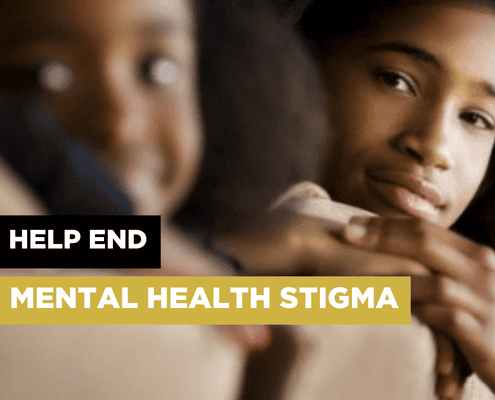
Mental illness comes in all shapes and forms. It can affect your friends, loved ones, even your neighbor. But you can do your part, so they don’t struggle to get help.
Why Mental Health Awareness Matters
Mental health is a person’s emotional, psychological, and social well-being. For children and teens, it influences how they handle stress, build relationships, learn, and make decisions. Good mental health supports healthy development, resilience, and academic success. Building awareness about mental health knowledge among caregivers and teachers makes early support more likely.
In the U.S., mental health challenges among youth are common. About 1 in 5 children experience a diagnosable mental health disorder each year, and many do not receive timely care. With roughly half of all mental health conditions starting by age 14, early awareness and support are essential. Families who seek answers to what is mental health awareness often find that consistent attention to warning signs and resources can change outcomes.
When a child struggles, the effects touch the whole family. Kids may face sleep problems, difficulty concentrating, withdrawal from friends, or challenges at school. Raising depression awareness is essential to support these children effectively. Families often experience increased stress, conflict at home, and the burden of navigating insurance, school supports, and community services. Awareness empowers caregivers to seek help sooner, advocate for services, and build daily routines that promote healing and stability for everyone in the household. Expanding awareness about mental health through community education also reduces stigma.
Common Conditions and Warnings Signs
Several conditions frequently affect children and adolescents:
- Anxiety disorders: Excessive worry, panic, social avoidance, restlessness, and physical complaints like stomachaches or headaches.
- Depression: Persistent sadness or irritability, loss of interest in activities, fatigue, sleep or appetite changes, feelings of hopelessness. Raising depression awareness is crucial for early intervention.
- Post-traumatic stress disorder (PTSD): Nightmares, intrusive memories, hypervigilance, and avoidance following a traumatic event.
Watch for signs such as sudden mood or behavior changes, withdrawal from friends or activities, declining school performance, frequent unexplained physical complaints, persistent worry or sadness, difficulty concentrating, self-harm or talk of suicide, and substance use. Any concerning change that lasts more than a few weeks deserves attention. Sharing awareness about mental health information in schools and clinics helps families notice these patterns earlier.
Risk factors include family history of mental health conditions, trauma or chronic stress, bullying, discrimination, learning differences, chronic illness, and limited access to supportive relationships. Protective factors include strong family bonds, consistent routines, positive school environments, mentorship, physical activity, healthy sleep, limited screen time before bed, and early access to counseling. Teaching coping skills—such as problem-solving, mindfulness, and naming emotions—can reduce risk and build resilience for kids and their families.
How Families and Communities Can Promote Awareness
Community programs help normalize conversations and connect families to care. Look for or help create school-based screenings, youth support groups, parent education nights, and partnerships among schools, clinics, and local nonprofits. Faith communities, youth sports, and after-school programs can host talks on stress management, suicide prevention, and healthy relationships. These activities increase mental health awareness and practical awareness about mental health for everyone involved.
Education is a powerful tool. When teachers and caregivers learn to recognize early warning signs, kids receive support sooner. Incorporating social-emotional learning, anti-bullying initiatives, and trauma-informed practices reduces stigma and creates safe spaces for kids to speak up. Families can reinforce these efforts by discussing emotions at home, modeling healthy coping skills, and setting routines that support sleep, nutrition, and physical activity. Remember that May is National Mental Health Awareness Month. Focus on more events in your communities and schools to maintain that engagement.
Take action to prevent mental health issues from spiraling out of control. Be aware, open, and honest, but also hold yourself accountable.
Learn more about Mental Health Awareness
Read more resources we have to help see the indicators of depression symptoms in teenagers, learn more about stress relief.

Identifying Early Indicators of Depression Symptoms in Teenagers ↗
Read more about the indicators of depression in teenagers

Five Therapeutic Activities for Families to Relieve Stress ↗
Read more about how to practice stress relief