After starting at Mercy Home for Boys & Girls two months before COVID-19 shut down the country, Kristin Vanderbilt found it difficult to become fully immersed in the organization.
Most coworkers shifted to remote work in March 2020, but Vanderbilt remained on site in her own separate space in our advancement department. Last year, Vanderbilt signed up for the coworker mentoring program and was paired with advancement coworker Molly Riley. Two of the goals she shared with Riley were simple: get to know Mercy Home better and be known around the organization.
“I had been working here for five years, and I don’t think anybody knew who I was,” Vanderbilt said.
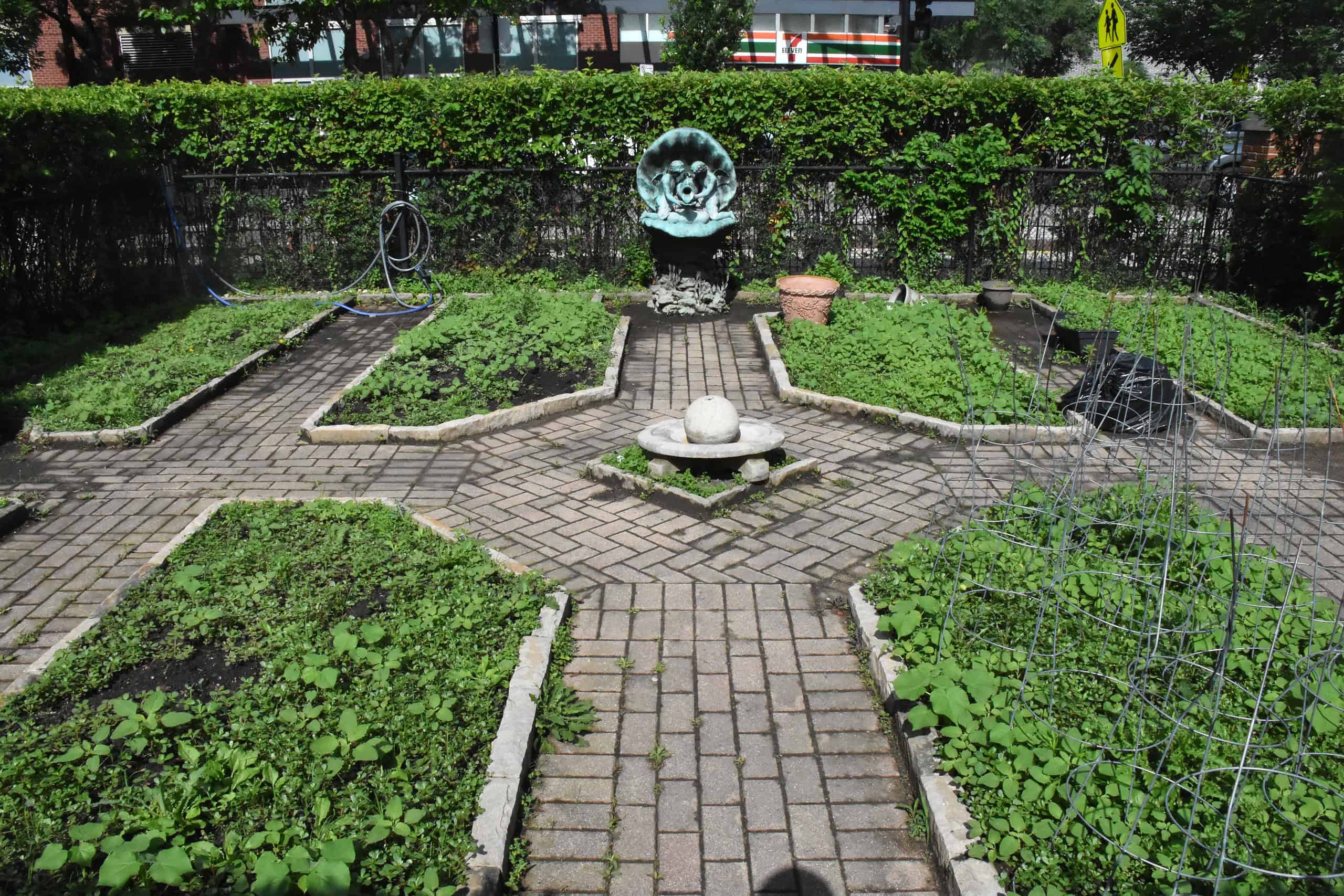
In that first mentoring meeting, Riley showed Vanderbilt Mercy Home’s garden, a space typically tended to by some of our youth during the summer but was dormant during that time as elevated garden beds were being installed. Vanderbilt saw the barren beds and asked if she could take it over.
Vanderbilt grew up on the South Side of Chicago in the Beverly neighborhood, and when she saw the garden at Mercy Home, her first instinct was to reach out to her parents (pictured), passionate gardeners themselves. She took photos of the garden and asked her parents for advice about what could grow there, how much sun the space received, and what plants might thrive.
“They were the driving force behind it,” she said.
Determined to build up the garden without asking Mercy Home for funding, Vanderbilt, turned to her community instead. She posted in local Facebook groups asking for overgrown plants that needed thinning. She found more support than she could have imagined.
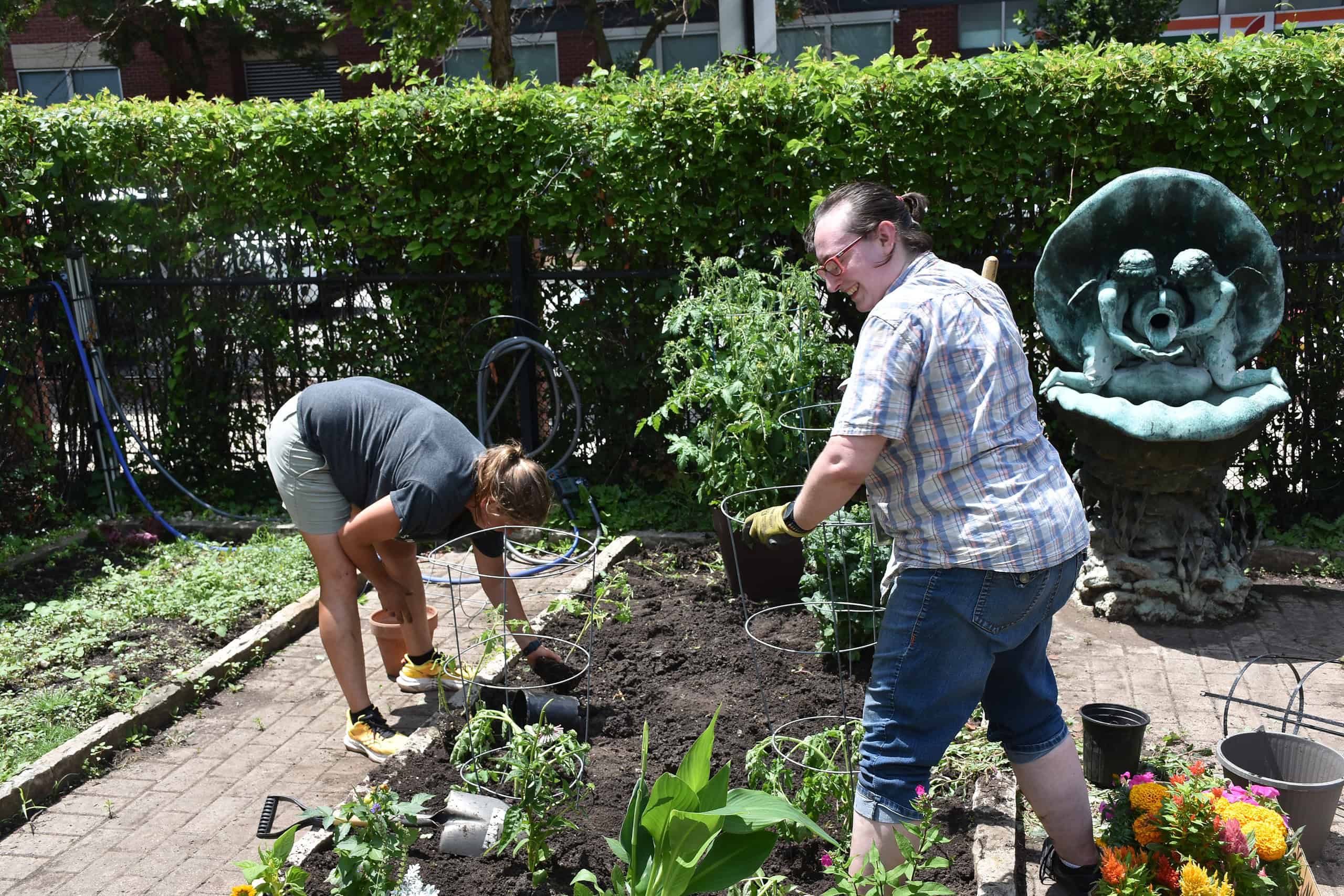
One Sunday morning, Vanderbilt and her father drove from house to house, gathering plants together from generous Chicagoans. The following day, with the help of her friend and master gardener Sue Pfeifer, began planting.
“[We] recruited Renee Bastien from the data entry team and took that whole Monday, from 11 a.m. until 7 p.m. to plant,” she said. “It was a lot of work.”
Donors pitched in as well, giving seed packets for the garden. And a Beverly greenhouse donated annuals after seeing her post online. Nicky Prepura from Mission Press created plant labels while our Facilities Director Jeff Ambrose and his team helped create a watering plan.
“What Kristin does is she rallies people,” Riley said. “She does that at Christmas too by collecting gifts for the kids at Mercy Home.”
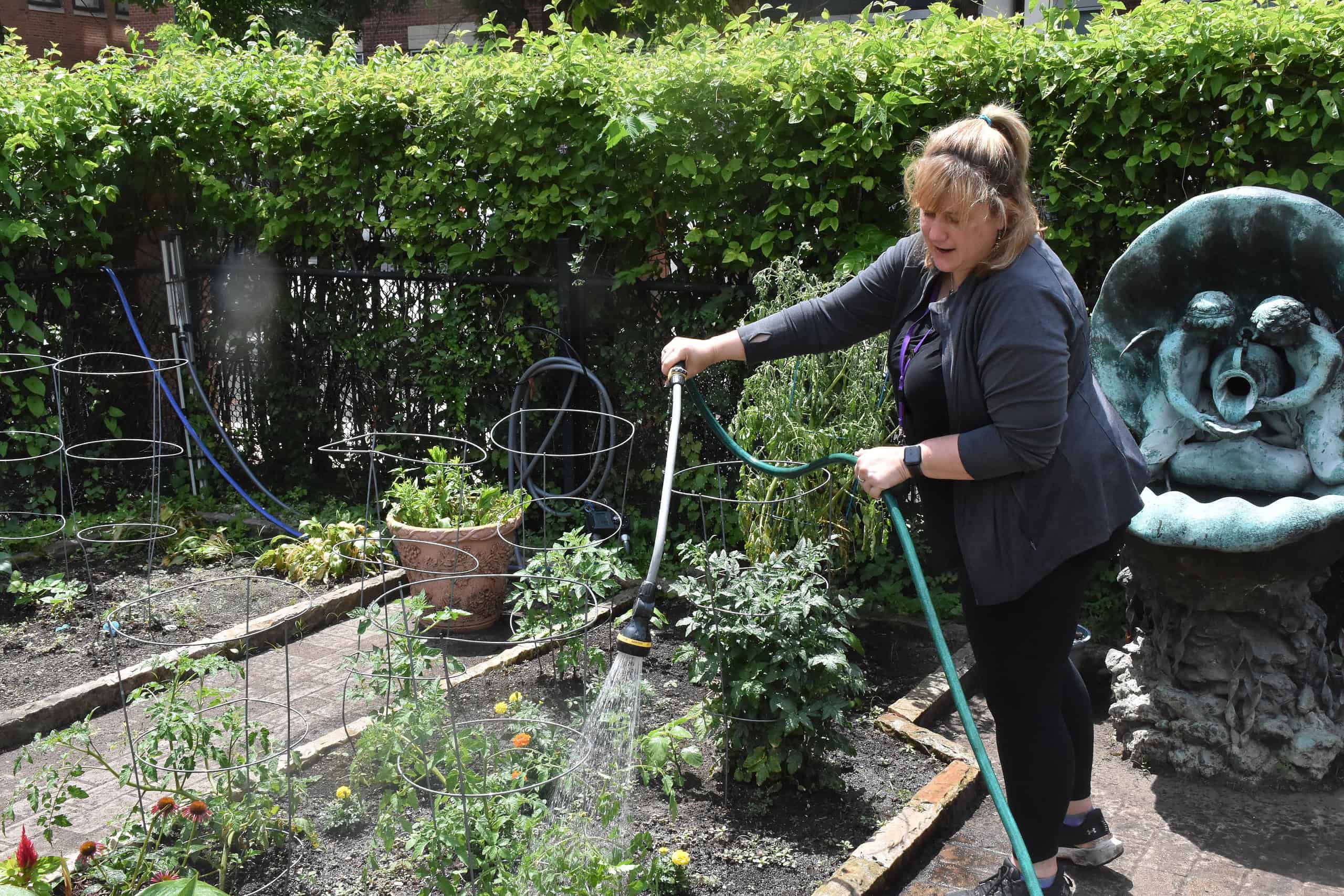
By summer, the garden was thriving with cucumbers, squash, peppers, tomatoes, zucchini, eggplants, and more. The harvest helped Mercy Home’s kitchen staff, who used the produce to create homemade salsa.
“It truly took a village to create the space we did,” Vanderbilt said.
And as the garden grew, so did Vanderbilt’s connection to her father. Throughout the summer, they would spend Saturday mornings together weeding. Those mornings became sacred.
“I probably wouldn’t have been with him on a Saturday morning otherwise,” she said. “We do spend time together but that was really neat now that we have that bond.”
The garden also provided Vanderbilt with a place to heal. In June, she lost her best friend, Sarah, to cancer.
“We didn’t meet until later in life, but we always said that we appeared in each other’s lives when we needed it the most,” Vanderbilt said. “She was one of the most genuine and compassionate people I’ve ever met in my life.
“Cancer isn’t fair, but it really wasn’t fair to her.”
Amid a period of grief, the garden became a place Vanderbilt needed.
“It was a very rough time for me,” she said. “But going out to the garden to weed and care for it provided me with a lot of solace and peace during those hard moments,” she said.
Even now, Vanderbilt is surprised by how much of a “plant person” she has become.
“I got hooked on the whole thing,” she said. “It’s interesting that you can grow an entire meal from the ground. It’s inexpensive, you just have to take care of it.”
But the garden became a symbol of responsibility, connection, and healing.
“She made it into this really hopeful and joyful place,” Riley said. “She didn’t wait for someone to tell her how to do this. She just went and figured it out.”
Close ×
Want more news like this?
Sign up for our email list and stay up to date with Mercy Home!




Comments